
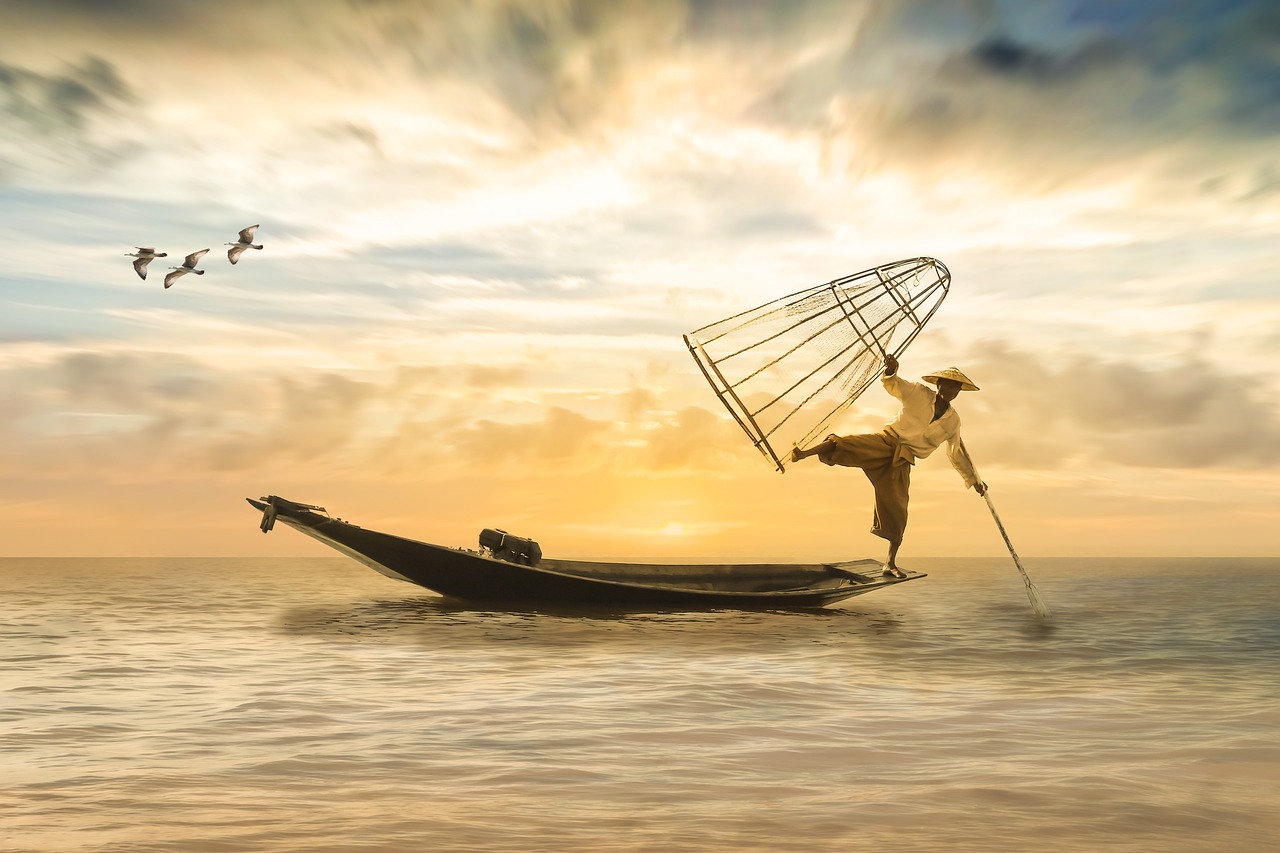
You have to lean a lot harder than you think to turn a surfboard, and in different ways. The more extreme the turn, the more extreme the lean and instability you are going to create. The amount of lean, direction, and placement will change from surfboard to surfboard, and from wave to wave. Keeping balance is a precarious game of fine tuned movements, preparations, actions, and reactions. This all must seem obvious to you, but almost a year into my surfing journey, I am just barely learning to get the turns to go the way I want, to press forward or back, side to side, twist, etc. For most of my journey thus far I have been bumbling my balance. On a longboard there is stability that allows you to simply press through slow sections of the wave, and you can stand pretty flat (can, you shouldn’t). Transitioning to a short board has been a learning process in just how far I need to go to create controlled imbalance and improve my surfing – which translates to the longboard as well.
I was surfing south shore on a Friday. I broke out of work a little early and beelined it to the waves. We had a nice little swell off the edge of a tropical storm that missed Hawaii by a few hundred miles, and the waves weren’t huge but were beautiful. I fought through some sloppy white water in Ewa Beach and made it out the back in rapid order. I wasn’t the only one with the idea of ditching work early for some salt spray and waveriding, but there were still not too many folks in the water. I caught a couple waves early on, but I didn’t get the rides I wanted. I would bog down, lose speed and just die out. Riding my 6’0” was nothing like my 8’10” and I was figuring out just how much twisting, leaning, and instability I would need to create to generate speed and capitalize on the waves. I was despairing after about an hour, and deadly tired. As I was beginning my paddle back in, by the grace of God, a lovely wave came through, and I was able to position myself for it almost perfectly. I took off at the peak, then for the first time really saw my next section of the wave. There was this moment of strange prescience as I could predict where the next piece of the wave would fold over and how fast I needed to be to get there.
I took off at an angle right, then turned slightly left to go straight down the face of the wave gathering maximum speed from gravity and the water, then I twisted and leaned all my body toward the wave, pressing on my back foot and felt the board do exactly as I wanted. The fins dug into the wave bottom and I pivoted all that power back up the wave, leaning at over forty five degrees, hand dragging in the wave face next to me, face almost to the wave. Then I stood, almost like a jump, a little lift to pull me back up the wave, twisted my body backside and sat back and leaned that way, carving back toward the power section of the wave, where I could repeat the process. I was finally riding, really riding. I wasn’t only at the mercy of the wave or the board, but felt in tune with it and myself and my board. But each turn felt terrifying, requiring more of a lean, more instability, to get the board to do what I wanted it to do. I had to push harder, risk the fall, in order to make the movement work. I had been bumbling my turns for so long because I was tentative, and uncommitted. I was so afraid to wipeout once I made a wave, that I dared not risk what was necessary to improve. I had bumbled balance in favor of pseudo equilibrium.
Isn’t it the way that we have been told we need to balance our lives? Even as Christians we fall into the bumbling advice of balance. I have been guilty of this thinking myself, but I think it was a misunderstanding of what balance really is. When we talk of balance in many modern contexts people tend to mean equilibrium – they mean a static kind of stability. Perhaps this is a symptom of the hustle and bustle of our lives, of our lack of ability to slow down and address the various problems of living. Whatever the cause for the desire for static stability, I conflated it with the term balance for far too long. While balance is something we ought to have in our lives, balance is, at its core not about equilibrium. Equilibrium is a passive, immovable state. As Christians we ought not to be impassive, immovable, or static. Our whole being is in vibrant motion with what the Lord has made and what He has made us to do. While there is a time and place for rest, even that is in preparation of future movement and action – the exertion of our wills in alignment with the Lord to His Glory. To do anything at all, we actually require imbalance and instability. The only people who exist who have truly stable existence are the inert dead, (and even they are under the caprice of time and decay).
Much of the talk of balance comes from eastern mysticism, Zoroastrianism and Dualism. I won’t dive into these worldviews and perspectives, but let me illustrate the absurdity of balance in that sense of static equilibrium. If I seek balance in surfing, then I should never catch a wave at all. In order to ride it, I require the imbalance which places me in opposition to the power of the wave and the power of gravity so it can be harnessed and I can stand. Once standing, I require the instability and imbalance of a shift in weight in order to turn or exert control. Real balance, is not about stability, but controlled instability. Useful balance is the dynamic, active interaction with the various forces pulling on the surfer. Useful balance in the Christian life is the dynamic, active, Godly interaction with all the various forces acting upon the believer.
There will never be a moment in the Christian life, (except perhaps in sleep), where we are not in contact with forces that affect our minds, bodies, and souls for good, bad, or strange. Learning balance in the Christian life means the wisdom to apply the right response to the right force at the right time. This may all seem very enigmatic and philosophical, but let’s make it concrete. In the fight against any temptation there are multiple competing forces. Our adversaries – the world, the flesh, and the devil – ever place us in the horns of dilemmas. Overcome a temptation with ease and grace and you are susceptible to a competing temptation of pride. Give in to the temptation directly and you fall into the sin right before your eyes. Choose to flee from the whole world and sloth may be your sin now, while overactivity will place you in the same kind of place. I have used the analogy of falling off the horse on both sides, and this is the same in surfing, though rarely is it only two directions we can fall.
Well what of this talk of committing to a turn, to leaning into instability? Am I saying we should flirt with sin? By no means, friends. There are far more forces in play than those of temptation. The rising power of the cross, the force of the Spirit in our lives, the mind of Christ, the goodness of God, the aid of fellow believers. We need to be uncomfortably leaning into those forces which are beneficial recognizing they may put at us at risk of messing up. Are you distant from people at your church because you are shy or timid? Throw yourself into the turn, be vulnerable with a brother in Christ and let him encourage you. It may not go perfectly (in fact it likely won’t), but you will learn, and so will he. Are you scared to step up into a position of greater authority and responsibility, take the drop and lean in hard. It won’t do to try halfway, because the other forces pulling on you will knock you around, but if you dedicate yourself to it and rely on the Lord, He will make you to stand.
For me at least, this Christian life has become somewhat tame because I have not been taking chances to step out into the things of God more deeply. I have been wiped out, hurt, confused, and hurt others in the process. I have wanted stable equilibrium, and so have given up the real chase after the things of God. Make no mistake there is no balance in the pursuit of Christ. He demands of us everything, the whole, full drop down the face of a terrifying wave. It will not do to seek a false static balance where He has promised a path of constant movement and growth. Instead, we would be better off approaching this life, myself included, with a little bit of risk, seeking the uncomfortable feeling of instability when we throw ourself into the loving power of a good and gracious God, and seek dynamic stability in our own lives, by relying on the lasting immovability of God.
All that to say, if we want to grow in this Christian life, it isn’t the world’s passive, static, mystical notion of balance we need, nor a western ideal of competing opposites – we need full force commitment to the righteousness of God in all its manifestations, and the will and discernment to dynamically stabilize against the forces of the world in which we live.


Leave a Reply